6 QUESTIONS AND ANSWERS ABOUT KENNEL COUGH
Understanding Kennel Cough: A Guide for Dog Owners
Kennel cough, a common and highly contagious respiratory disease in dogs, is something every dog owner should know about. Here's a comprehensive guide covering its other names, causes, symptoms, prevention, and more.
1. Does Kennel Cough Have Another Name?
Yes, kennel cough is also known as Infectious Tracheobronchitis or Canine Infectious Respiratory Disease (CIRD). These terms describe the same condition, emphasizing its impact on the respiratory system.
2. Does Kennel Cough Affect All Dogs?
Yes, kennel cough is a global concern that can infect a significant percentage of dogs. It is believed that most dogs will experience kennel cough at least once in their lifetime. While all dogs are susceptible, certain groups are more likely to suffer severe symptoms, including:
Unvaccinated dogs
Young puppies
Elderly dogs
Dogs with compromised immune systems
3. What Causes Kennel Cough?
Kennel cough is caused by a combination of bacterial and viral pathogens. These include, but are not limited to:
Viruses:
Parainfluenza virus
Adenovirus
Canine respiratory coronavirus
Canine herpesvirus
Canine distemper virus
Canine influenza virus
Bacteria:
Bordetella bronchiseptica
Mycoplasma species
Streptococcus zooepidemicus
These pathogens can work alone or in combination to cause the infection.
4. How Does a Dog Get Kennel Cough?
Dogs contract kennel cough primarily through inhalation of airborne infectious agents. This typically happens in environments where infected and healthy dogs are in close contact, such as:
Kennels
Dog parks
Training classes
Dog shows
When an infected dog coughs or sneezes, it releases droplets containing bacteria or viruses into the air. These can be inhaled by other dogs, spreading the disease. Additionally, pathogens can survive on surfaces like:
Toys
Food or water bowls
Bedding
Contact with these contaminated objects can also lead to infection.
5. What Are the Signs of Kennel Cough?
Dogs with kennel cough may show a range of symptoms, from mild to severe. Look out for the following:
Mild Cases:
A dry, hacking cough that may sound like honking
Retching or gagging
Watery nasal discharge
Normal appetite and activity levels
Severe Cases:
Decreased appetite
Fever
Lethargy
Progression to pneumonia
Rarely, the disease may result in death, especially in vulnerable dogs
6. Can Kennel Cough Be Prevented?
Yes, kennel cough can be effectively prevented. Here’s how:
Vaccination:
The most reliable way to minimize your dog’s risk is through vaccination. Vaccines for kennel cough target specific pathogens like Bordetella bronchiseptica, parainfluenza virus, and adenovirus. Talk to your veterinarian about your dog’s vaccination schedule, especially if they frequently interact with other dogs.
Other Preventive Measures:
1. Keep Your Dog Healthy:
Maintain a balanced diet and regular exercise to boost immunity.
2. Reduce Stress:
Avoid stress and extreme temperature changes, as these can weaken your dog’s immune system.
3. Improve Ventilation:
Ensure your dog’s living area is well-ventilated to reduce pathogen buildup.
4. Limit Contact with Strange Dogs:
Especially in enclosed spaces, avoid unnecessary exposure to other dogs.
5. Assess Boarding Facilities:
If using kennels, choose ones with strict vaccination policies and good ventilation.
Kennel cough is a manageable disease with the right precautions. By understanding its causes, recognizing symptoms early, and prioritizing preventive care, you can protect your dog from this common illness. Always consult your veterinarian for guidance tailored to your dog’s specific needs.
COMPLETE GUIDE TO CANINE DISTEMPER PREVENTION
What is canine distemper?

Canine distemper is a highly
contagious viral disease of the whole body, essentially the respiratory,
gastrointestinal, and the nervous system of dog and other wild canines like
wolves, coyotes, foxes, ferrets, lions, and cats among others.
HOW IS IT TRANSMITTED?
Via aerosol: inhalation of droplets of moisture exhaled by an infected animal.
Puppies are the population at
greatest risk of coming down with infection
HOW DO YOU TELL IF YOUR DOG HAS CANINE DISTEMPER?
Dogs with Canine distemper exhibit the following signs
1. Short fever which lasts 3-6 days; post infection usually
occurs
2. Loss of appetite
3. A second fever follows after the first subsides and this
lasts several days and may be seen alongside discharges from the nose and eyes
4. The skin of the foot pads and nose are
overgrown, hence
5. Central nervous system signs associated:
· Twitching of muscles of a localized area e.g face, legs.
· Bacterial infection may be complicated in animals with
distemper
· Partial or total paralysis first with the hind limbs (legs)
and the all four limbs (legs and hands).
·Convulsions, drooling and chewing movement of the jaw. As the
disease progresses so does the seizures. The dog may fall on one of its sides
and paddle its legs
The course of the disease is 10days at least.
Puppies infected with canine
distemper are highly feverish and show signs of widespread infection.
Some dogs may recover, in which case
intensive nursing care is advised. Also, some dogs may not make it to recovery
(especially those neurological problems of distemper) even after treatment is
administered.
In such case, the most humane thing to do is euthanasia (to put it down). Your vet would choose and combine the therapy as appropriate for your pet’s condition, for best results.
In such case, the most humane thing to do is euthanasia (to put it down). Your vet would choose and combine the therapy as appropriate for your pet’s condition, for best results.
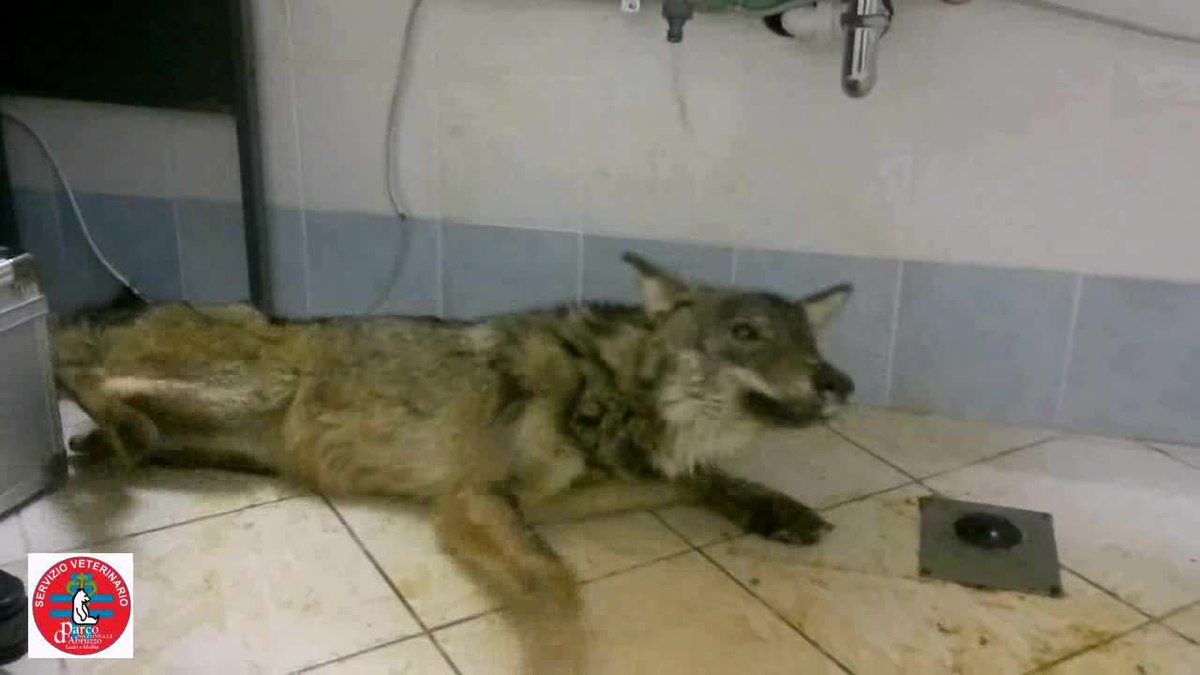
HOW DO I PREVENT MY PET FROM CANINE DISTEMPER?
It is simple! Canine distemper
vaccine is administered at 5-6 weeks of age with 2 booster doses at 2 weeks
interval, which means, it should be repeated at 8 and 10 weeks and then yearly.
It is important to see a veterinarian for the complete Vaccination schedule for your dog based on you area and the dog’s health.
It is important to see a veterinarian for the complete Vaccination schedule for your dog based on you area and the dog’s health.
DO YOU KNOW DOG WORMS CAN BE ZOONOTIC?
Worms of dogs are important because they threaten the health
and wellbeing of one of man's favorite pets, the dog, and can also infect
humans. Zoonotic dog helminths possibly have more deleterious effects in humans
than is commonly appreciated.
It is difficult to
diagnose zoonotic helminth infection in humans, as the worms rarely reach maturity
and therefore do not produce eggs that assist with the diagnosis.
It is therefore important for man to make sure pets are free
form worm infestation to cut the risk and chance of contacting it. The zoonotic
worms include Ancylostoma spp. Which is
produce a mild infection, to the Echinococcus spp which produce a lethal
disease

image frompit-bull-shirts.com
Treatment and Prevention.
• Routinely deworm puppies beginning at 2 weeks of age, with
deworming repeated every 2 weeks.
• Begin administering a monthly control product with
efficacy against intestinal helminths when puppies reach 4 to 8 weeks of age
• Broad spectrum parasite control products should be administered
monthly year round.
• Keeping dogs on a leash or in a fenced yard to prevent predation
and scavenging activities; this limits the opportunity for dogs to acquire
infection via ingestion of vertebrate hosts (ascarids) or from a
feces-contaminated environment.
• Promptly removing feces from the yard to prevent eggs from
being released from fecal material or dispersing into the environment.
• Preventing contamination with eggs of B procyonis by not
keeping raccoons as pets and avoiding areas frequented by dogs and wildlife
You can read more on dog worms

Does Frontline Plus really control fleas or ticks?

The answer is simply YES, frontline plus work with a loud YES.
Many would say flea and or tick control is one of the
hardest and most difficult task to do, but that is certainly not true with me.
I have seen situations where ticks and fleas have been controlled
successfully with only one chemical, Dichlovus, but today, I am going to show
you how to control fleas and ticks with Frontline Plus.

Frontline plus contains majorly fipronil and methoprene, it
may be worth noting that fipronil may be toxic to cats if applied in excess.
Follow these instructions to apply FRONTLINE Plus for dogs.
To apply, simply follow these instructions–and repeat every
20days and 30 days after first application.
Remove Applicator: Lift and remove the plastic tab to expose
foil backing. Then peel away the foil. Or use scissors to open
Open Applicator: Hold upright with foil side toward you and
snap applicator tip
Apply FRONTLINE plus: Part your dog's hair between the
shoulder blades. Place the applicator tip just above the skin and squeeze.
Apply entire contents of the applicator in a single spot directly onto the
animal's skin. Do not apply on top of the hair coat. Avoid contact with treated
area until dry.
Don’t forget to keep away from children, in the case where
animal ingest frontline plus, see a veterinarian immediately.
You could also read the complete guide to preventing and controling tick infestation
Know the most important thing about Rabies or Mad dog.
Rabies is a highly infectious, deadly, non treadable viral disease caused by Viruses which include a Rhabdovirus called Rabies virus, others include Lagos bat virus, European bat virus and others
Species affected include
Man
Domestic dogs including the wild dog viz; wolves foxes, coyotes and others
Domestic Cats including wild cats viz: lions, tigers, jaguars, leopards and others

HOW RABIES IS TRANSMITTED TO MAN AND TO PETS
To Pets:
1. Bites from an infected dog or cat(during a fight or play)
2. From bitch to the puppy(mother to child transmission)
3. Uninfected pet licking broken skin of infected animal
4. Contamination of exposed mucus membrane to saliva of infected animal
TO HUMANS:
Bites from an unvaccinated infected dog or cats or infected human, or other infected animal, rabies can also be transmitted through contact with neutral tissues and saliva of a rabid animal
Following bite from an infected animal or person, it take 1 to few hours to weeks or months for the signs to manifest. The height of the signs being barking sounds from the human, and severe respiratory distress.
If prompt therapy is not given to the bitten human, its may reach the nervous system and in which case death is inevitable. Thus following a case of bite from a suspected dog, both a vet and a human doctor should be promptly informed.
The vet needs to diagnose and confirm if the dog is rabid or not, while the medical doctor gives emergency and full therapy to the human based on reports from the vet.
SIGNS OF RABIES IN DOGS

Rabies signs exists in 3 basic stages forms: dumb form, furious form, paralytic form
A. The dumb form is the early stage of infection. It is quiet inapparent the signs at this stage are: unusual calmness, lethargy, changes in behaviour, fever, change in the tone of bark, the pet chews at bite site frequently.
B. The furious form is the second stage. It is the most dangerous period and transmission to other uninfected pets and human through bites is most likely at this stage. The signs here are: aggression, listlessness(being totally uncomfortable, always chases any moving object or being,persistent growling, dilated pupils, seizures.
C. The paralytic form is characterised by: dysphagia(inability to swallow during feeding) difficulty in chewing due to paralysis of the jaw and chewing muscles, the mouth of the pet expresses white foam.
When your pet expresses any of these signs, stage 2 and stage 3 being most apparent, report to your pet veterinarian promptly for proper diagnosis, confirmation and execution of appropriate measures.
HOW TO PREVENT RABIES IN DOGS AND CATS
1. Vaccinate your pets pet. Vaccination is the best and cheapest method of preventing rabies This should be at the first 3 months and first 12 months of its life. After that ensure booster doses of vaccine is given it once every year, or depending on the type of vaccine, once in 4 years.
2. Prevent your pet from playing with other dogs with unknown vaccination status
3. Keep your pet from straying by keeping them in clean environment or kennels. This prevents them from being victims of bites from infected dogs.
CONTROL OF RABIES IN PETS AND HUMAN

RABIES HAS NO TREATMENT!!!
Once your pet gets bitten or a human gets bitten, prompt medical attention should be given from both the veterinary hospital and human hospital.
Report promptly to your vet should you notice any of the signs of rabies infection in your pet. A rabid dog or cat must be euthanized(put down) by the vet in the hospital. This is a humane and most appropriate to rabies as it has no cure; the dog may transmit it to you, your kids or other individuals and pets, it will suffer greatly and eventually die if not euthanised.
For humans rabies antitoxin will be promptly administered in the hospital following report of the case of rabid dog bite to neutralize the effect of the virus before it gains access to the nervous system(spinal cord and brain). If this is not done promptly, death is sure when the virus reaches the nervous system.
Prompt washing of the site of bite with cold water and soap is important in reducing the viral load at the site of bite.
5 Most Effective Steps to Groom Your Dog
Grooming your dog is important in order to make it attractive and this are simple and easy to do steps that will help you achieve that.

1. Hair brushing
hair brushing sessions strengthen the bond with your dog, and most dogs enjoy having their coats brushed by their masters, this also help you discover and observe skin lesions and presence of ecto parasites like ticks and fleas so that effective flea control can be instituted.
to do this, the following should be done
 Nail trimming is disliked by dogs and owners alike. Most dogs do not like even having their paws handled and their nails hurt if they are cut too short. Dog owners are also uncomfortable with the process for fear of hurting their dogs. The best thing to do learn how to trim nails correctly and exercise caution. You can learn how to do it form your vet but if you're still not confident, it's best to let the experts handle this task.

1. Hair brushing
hair brushing sessions strengthen the bond with your dog, and most dogs enjoy having their coats brushed by their masters, this also help you discover and observe skin lesions and presence of ecto parasites like ticks and fleas so that effective flea control can be instituted.
to do this, the following should be done
- Long haired dogs usually require daily brushing to prevent matting and tangling of hair.
- Medium-haired dogs may be prone to matting and tangles and should be brushed at least weekly.
- Short-haired dogs can typically go up to a month without brushing
2. Nail Trimming
 Nail trimming is disliked by dogs and owners alike. Most dogs do not like even having their paws handled and their nails hurt if they are cut too short. Dog owners are also uncomfortable with the process for fear of hurting their dogs. The best thing to do learn how to trim nails correctly and exercise caution. You can learn how to do it form your vet but if you're still not confident, it's best to let the experts handle this task.
3. Bathing
Dogs should be bathed on a monthly basis if they are kept indoors, but dogs that are not restricted to staying indoors should be bathed biweekly or even weekly.very small dogs can be bathed in a sink. With the help of a hand -,held sprayer soak your dog from head to toe with warm water. Avoid the eyes and inside of the ears. Many dogs
 have water resistant coats; therefore, a thorough soaking is usually requisite to penetrate the pets hair all the way through, Large breeds of dogs can be bathed while standing, be careful not to use corrosive soaps or shampoos
4. Ear and Eye Care
while some dogs can go their whole lives without ear disease, they require multiple cleanings in a month. Dogs with floppy ears or long hair, such as Cocker Spaniels, tend to be vulnerable to ear problems because their ear canals do not get adequate air exposure. Ear problems can also be a sign of allergies. If foul odour is emanating from your dog's ears, your veterinarian will most likely prescribe special ear cleaners and appropriate medications.Eyes must be cleaned regulaly to remove any concentration of bacteria around them to prevent the risk of an eye infection.
5. Haircuts
Dogs with long and abundant hair, such as the Poodles and Shih Tzus, typically need a haircut every two to four weeks, depending on the breed of the dog and the style of the cut. Hair cutting should be left to professional groomers, although some dog owners are able to lean basic maintenance haircut


What are dog worms, what can they do, how do I prevent them? Proper dog care
The
first question is what are worms, then how do my dogs get infested, and then
the next is how do I treat, control, or prevent these things called worms.

It
is important to know that worms are very dangerous to the well-being of your pet;
they can cause the following complications
· Make
your dog lose weight
· Make
your dog have a low amount of blood, especially red blood cells (Anemia)
· They
can cause your dog have diarrhea
· Some
can be easily transferred to you (zoonosis)
· You
will not enjoy the company of your dog
· Death
if infestation is not treated.

Often
you will be able to tell if your dog has worms by the signs they are
exhibiting. Most worm infestations cause any or all of these symptoms:
· Diarrhea,
perhaps with blood
· Weight
loss
· Dry
hair
· General
poor appearance
· Vomiting,
perhaps with worms in the vomit
So how do we prevent worm infestation?
Ok its easier than you
might be expecting but first lets know what they are Broadly there are two
types of worms that cause problems in the dog, Nematodes (roundworms),
and Cestodes (tapeworms). Common nematodes are Toxocara
canis (intestinal roundworm) and Diarofilaria
immitis, the heart worm. Important Cestode parasites include
Dipylidium
caninum, Taenia species and Echinococcus species. Hookworms (Ancylostoma
species),
are also occasionally encountered.

How can my animal get worms?
Dogs and cats of any age can get roundworms but they are most likely to have roundworms when they are very young. Worms are often passed from a mother to her puppies or kittens before birth or shortly after birth through her milk. Roundworms can also spread between animals by ingestion of worm eggs from the feces of an infected animal.
Dogs and cats of any age can get roundworms but they are most likely to have roundworms when they are very young. Worms are often passed from a mother to her puppies or kittens before birth or shortly after birth through her milk. Roundworms can also spread between animals by ingestion of worm eggs from the feces of an infected animal.
So, how do we prevent worm
infestation?

Simple,
if the following are done without complacencies, then your dog is surely going
to be free of worm infestation.
· Proper
sanitation is the key and most important way to prevent worm infestation, this
involve regular cleaning and disinfecting pet related materials, removing dog
feces promptly and preventing coprophagy.
· Always
make sure the water and feed given to your pet is from a safe and trusted
source to prevent the possibility of dog getting infested from consuming the
larva or eggs in fecal contaminated feed or water.
· Always
see a veterinarian when dogs behavior especially towards food drops or dogs
activity is reduced, or when dog lose weight or hairs or other clinical signs as stated above. Puppies are supposed to
be dewormed each month, and as they grow up they should be dewormed every 2 to
3 months.

It
is important not to attempt to deworm your pet by yourself, instead see a
veterinarian who is specially trained to take care of your pets.
Easy Ways to Control Ticks in Our Dogs. Proper dog care
What are ticks?

Ticks are small,
blood-sucking arthropods related to spiders, mites and scorpions. Ticks feed on
the blood of other animals. If a larval tick picks up an infection from a small
animal such as a vole, when it next feeds as a nymph it can pass the infection
to the next animal or human it bites.
Why do I need to control ticks?
• Cause irritation
• Lead to abscesses
• Transmit diseases e.g Lyme borreliosis, Babesiosis,Anaplasmosis, and Rickettsiosis.
• Lead to abscesses
• Transmit diseases e.g Lyme borreliosis, Babesiosis,Anaplasmosis, and Rickettsiosis.
How is it possible to
control ticks?
A tick-control product
can work in a number of ways:

1.
It contains an ingredient that helps prevent ticks from being
attracted to your pet – a repellent.
2.
It contains an ingredient that kills the tick once it has made
contact with your pet’s skin – an acaricide.
3.
It contains an ingredient that reduces the risk of the tick
attaching and taking a blood feed.
On what part of the dog can I see parts?

Ideally, tick checks
should be performed daily to reduce the risk of infection, but can be done on
weekly bases. Sub-adult ticks can be very tiny (less than 1mm), even when fully
engorged with blood. Stroking your pet is a good time to do a finger-tip search
for smaller ticks and this can be a relaxing, bonding time between you and your
pet.
It is important at
grooming to brush against, as well as with, the hair-growth to see any ticks
that are close to the skin. Check around and inside the ears, around the eyes,
on the chin and around the muzzle, as well as between pads and toes.

What is the best way to
control ticks?
1. Keep grass mowed.
2. Prune trees, mow the lawn, and clear leaf
litter and brush, especially along edges of the lawn, stonewalls, and
driveways.
3. Move play sets away from the woodland edge.
4. Restrict ground cover in areas frequented by
family.
5. Adopt some landscaping practices such as gravel
pathways, mulches, decking, stone, tile, and other hards-capes around the home.
6. chemical control. Acaricides (pesticides or
insecticides that kill ticks) may be applied to lawns and woodland edges to
kill ticks around the home. Many pesticide products are restricted to licensed
commercial pesticide applicators.
The
optimum time for an application to control the nymphal ticks would be mid-May to early June. A single
application of most insecticides is sufficient for the summer tick season. A fall
application may be used to control adult I. scapularis.
Chemicals safe for use include
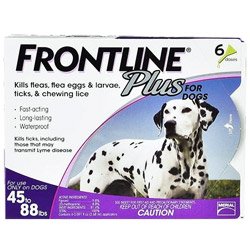
Frontline Plus

Chemicals safe for use include
Frontline Plus

What do you know about canine parvovirus enteritis? Proper dog care
First of all, please read carefully and make sure you
follow the underlined advice; this advice is not meant to replace veterinary advice
of your veterinarian.


What is canine parvovirus enteritis (CPVE)
Canine parvovirus type 2 (CPV2) is a highly contagious
and relatively common cause of acute, infectious GI illness in young dogs.
Meaning it is causes by an infectious agent(Parvovirus), the disease has a
short course and mainly affect the Stomach and the intestinal tract of infected
animal, It affect puppies more than adults, and is resistant to many common
detergents and disinfectants, as well as to changes in temperature and pH.

Why and how might my dog become infected?
Canine parvovirus can be found in almost any environment,
but not every dog who comes into contact with the virus becomes infected.
Several factors come into play in infection, including the immune status of the
dog and the number of viruses the dog is exposed to. If the combination of factors
is just right and a dog does become infected, a specific sequence of events is
begun as the virus attacks the body (http://www.vet.cornell.edu/baker/about/articles/CanineParvovirus.cfm)
How do I know my dog has CPVE?
When your dog begin to show the following signs you
should suspect CPVE, lethargy, depression, and loss or lack of appetite,
followed by a sudden onset of high fever, vomiting, and diarrhea. If your dog
is experiencing bouts of bloody diarrhea and/or vomiting, CPV is only one of
several potential culprits. Your veterinarian can run several tests to help
determine whether your dog is infected with CPV.

How do I prevent CPEV
As far as CPVE is concerned and most if not all diseases,
Prevention is better than cure. to prevent this dissease, the following should
be adhered to.
1. Vaccination: By far this is the surest way to preventing
canine parvovirus enteritis. Veterinarians usually administer the CPV vaccine
as part of a combination shot which includes, among others, the distemper,
canine adenovirus, and Para-influenza vaccines. These shots are given every 3
to 4 weeks from the time a puppy is 6 weeks old until he is at least 16 weeks
of age. A booster vaccination is recommended one year later, and then at one at
three year intervals thereafter.
2. Exclude other dogs from your compound: The tiny
parvovirus is extraordinarily hardy. They are capable of surviving for months
outside an animal, even through the winter, and are resistant to most household
cleaning products. Infected dogs can shed vast numbers of viruses, making it
difficult to disinfect an area once it has been exposed to an infected dog

Is it possible to disinfect a environment contaminated
with CPV?
Yes. If your home and yard have been contaminated by an
infected dog, there are steps you can take to disinfect them before introducing
a new dog or puppy. Despite its relative resistance to cleaning agents, we do
know that CPV can be inactivated by bleach. Cleaning with a solution of one
part bleach mixed with approximately 30 parts water is an acceptable method for
disinfecting any indoor area (including bedding, food/water bowls, and all
surfaces) that once housed an infected dog.
There is evidence suggesting that CPV loses some of its ability to infect an animal after one month in an indoor environment. Outside, you cannot (and should not) bleach your lawn, but rain or watering can dilute the concentration of the virus over time. This dilution, combined with the sanitizing effects of sunlight can bring the numbers of viruses down to an acceptable level in a few weeks.
There is evidence suggesting that CPV loses some of its ability to infect an animal after one month in an indoor environment. Outside, you cannot (and should not) bleach your lawn, but rain or watering can dilute the concentration of the virus over time. This dilution, combined with the sanitizing effects of sunlight can bring the numbers of viruses down to an acceptable level in a few weeks.
See what fleas can do to your dogs.

Fleas are problematic can become a problem regardless of whether or not there are pets in the home. They are usually brought in on the clothing or furnitures, or become problems from urban wildlife lining in unused parts of the buildings, such as rats, feral cats, raccoons, opossums, chipmunks, squirrels, or birds.
What are fleas and what can they do
Fleas are tiny, irritating insects. Their bites are itchy and sometimes painful, and getting rid of them could be hard if not done sequentially. Sometimes professional pest control treatment may be required, I can show you how this can be done.
Fleas are very prolific(Under ideal conditions which can occur during the summer months, this life cycle can be completed in 11-13 days.), which gets even shorter when you have pets in the house. But even if you don’t have pets, your yard can potentially play host to fleas, and you may end up with a bunch of mysterious bites.
Flea bite can cause both irritation and disease. Dogs and other pets scratch constantly when heavily infested, resulting in soiled and roughened coats and, sometimes, in nervous conditions. The most serious effects occur when a pet develops an allergy to flea saliva deposited during bite. As few as one or two bites can cause severe itching and scratching in allergic pets.
Cat fleas do not normally live on humans, but do bite people who handle infested animals so such animals should be handle with care

How do I Control fleas
Successful flea control includes not only the treatment of infested pets, but also the thorough treatment of all areas where flea breeding could occur. Any areas where the pet spends a considerable amount of time will produce “hot spots” of infestation that require special attention. It is important to remember flea larvae will develop only in protected micro-habitats where there is a source of dried adult fecal pellets. Sites frequently visited must also be considered as potential flea breeding areas: the location of food and water dishes and the litter box are important.
Pets must also be included in the control program and should be treated on the same day the home and yard are treated. Products such as flea shampoos and sprays can provide temporary control, but spot treatments applied to specific areas of the pet’s body as well as feed-through treatments supplied by veterinarians can be highly successful in breaking the reproductive cycle by preventing flea eggs from developing into adults fleas. (Department of Public Health Vector Management Program 5050 Commerce Drive). You can visit some pet shops online and buy some valuable control and treatment chemicals
Many commercial Flea treatment are available but only a few are highly effective if properly used. Some highly recommended flea control agents you can try is advantage
Subscribe to:
Posts (Atom)
-
Gahbdbjdnndnnd
-
 What are ticks? Ticks are small, blood-sucking arthropods related to spiders, mites and scorpions. Ticks feed on the blood of o...
-
 The first question is what are worms, then how do my dogs get infested, and then the next is how do I treat, control, or prevent these t...
-
Understanding Kennel Cough: A Guide for Dog Owners Kennel cough, a common and highly contagious respiratory disease in dogs, is somethin...
-
 The treatment for heartworms is different for cats and dogs. Do not ever give medicine intended for a cat to your dog or vice versa. Once...
-
 Dogs usually aren't too worried about consequences. They love to eat things they shouldn't, roll around in things they shouldn...
-
 Fleas are problematic can become a problem regardless of whether or not there are pets in the home. They are usually brought in on th...
-
German Shepherd They are one of North America's most popular dogs. AKC has the German Shepherd Dog ranked #2 in the US. They are ex...
-
Dog owners treat their pet dogs as best friends, companions, best buddies and partners in crime. That is why dogs can keep their loyalty t...
-
 Rabies is a highly infectious, deadly, non treadable viral disease caused by Viruses which include a Rhabdovirus called Rabies virus, oth...

